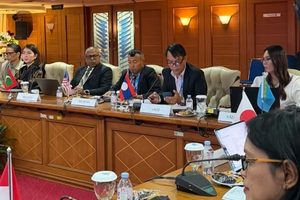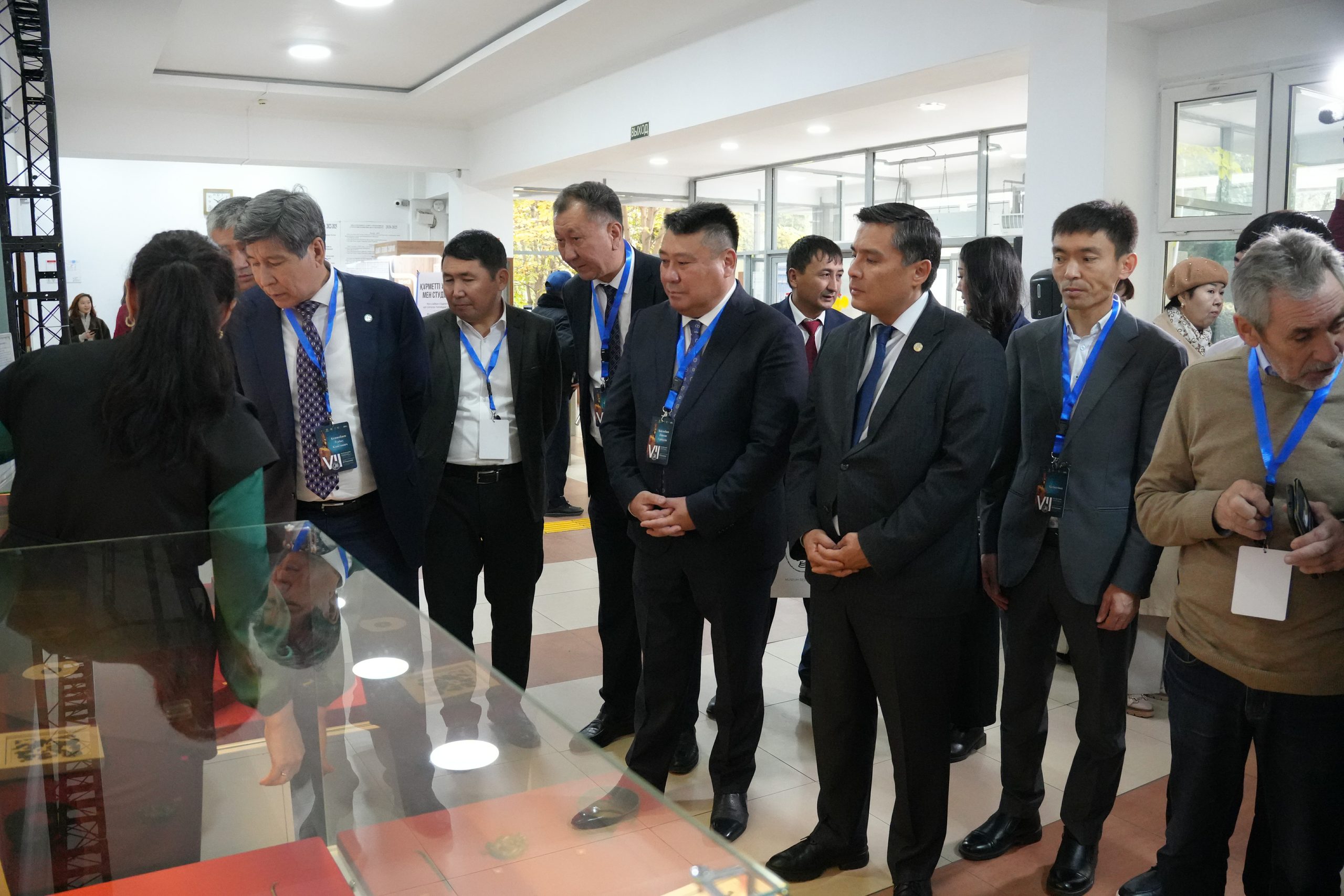
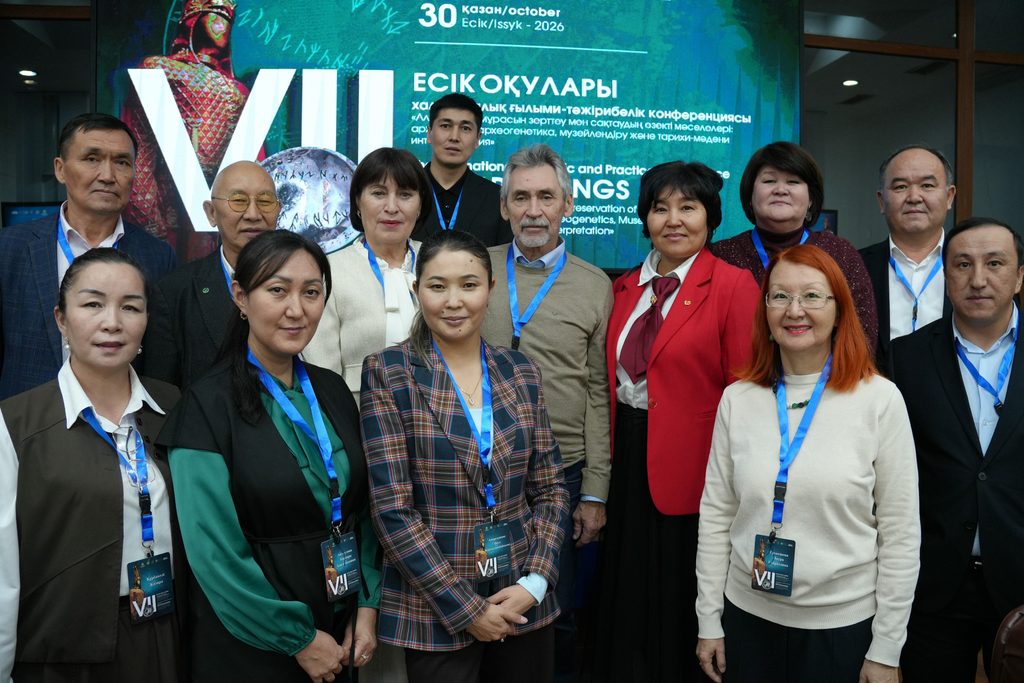
The International Scientific and Practical Conference «VII Issyk Readings» was held on 30 October 2026. The conference focused on «Current Issues in the Study and Preservation of the Golden Man Heritage: Archaeology, Archaeogenetics, Musealisation, and Historical and Cultural Interpretation». It was organized by the State Historical and Cultural Museum-Reserve «Esik», Abai Kazakh National Pedagogical University, and the Shaanxi Provincial Institute of Archaeological Research (People’s Republic of China).
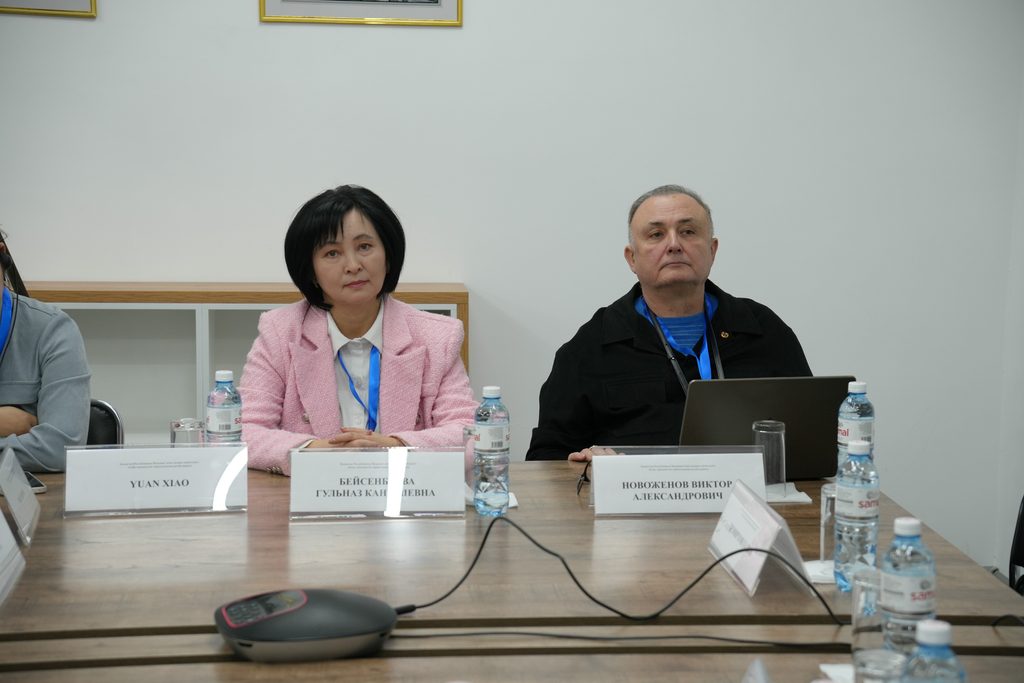
This traditional academic conference brought together researchers and scholars from Kazakhstan, China, Azerbaijan, Uzbekistan, Turkey, Italy, and other countries. During the conference, participants discussed achievements in archaeological research across Eurasia, the history of the «Issyk ininscriptionion» and ancient written culture, as well as international studies of the Golden Man and questions related to the global promotion of historical and cultural heritage.
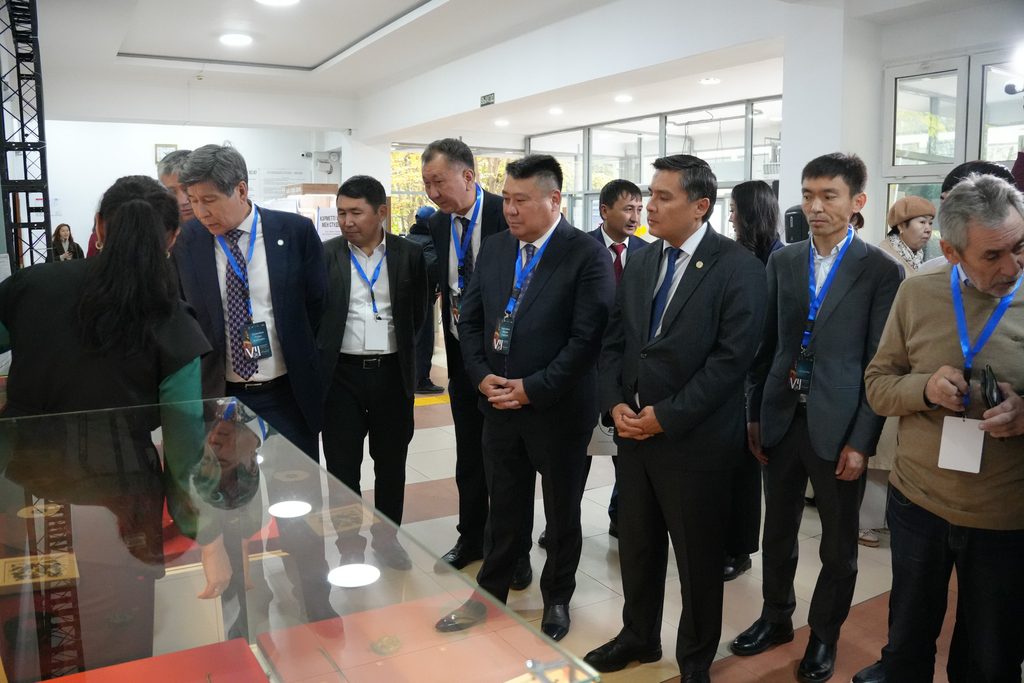
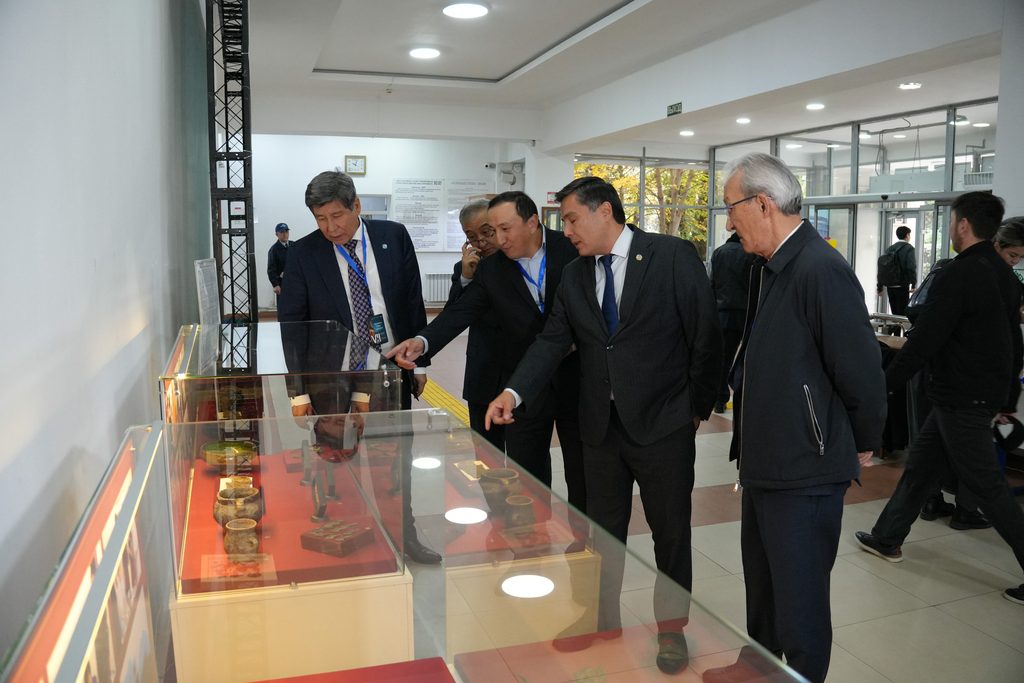
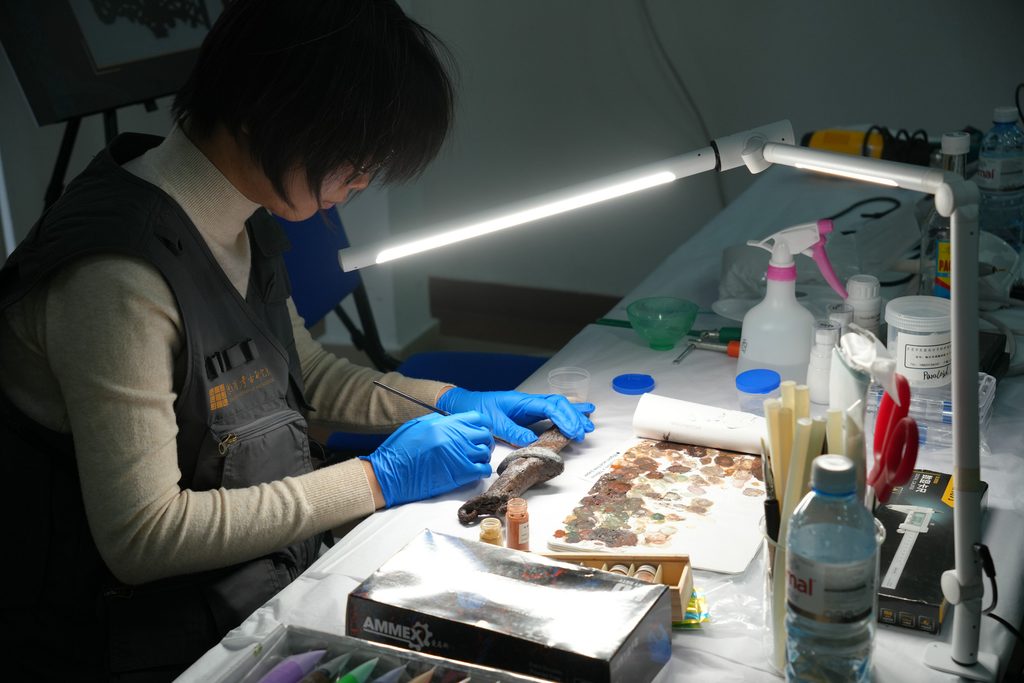
The event opened with an exhibition titled «Kazakhstan and China: Cooperation in the Preservation of the Archaeological Heritage». The exhibition featured artifacts restored in 2025-2026 through a collaboration between the «Esik» Museum-Reserve and the Shaanxi Provincial Institute of Archaeological Research.
The conference began with a welcome remark by Kanat Zhumabaevich Iskakov, First Vice Minister of Culture and Information of the Republic of Kazakhstan. A.S. Koilybayev, director of the «Esik» Museum-Reserve, conveyed a greeting to the participants.
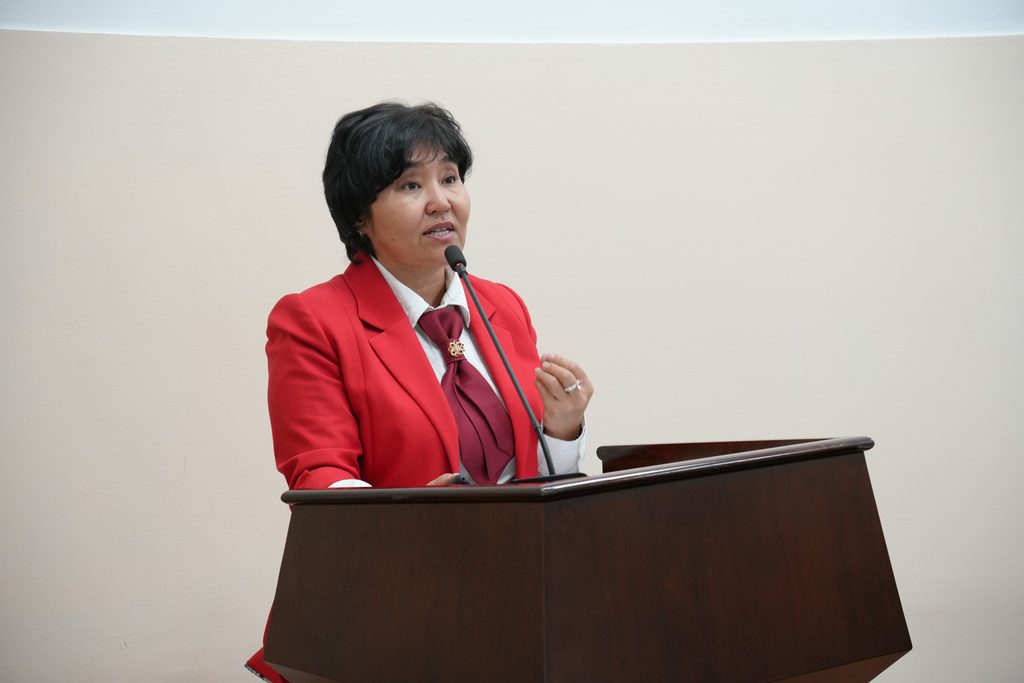
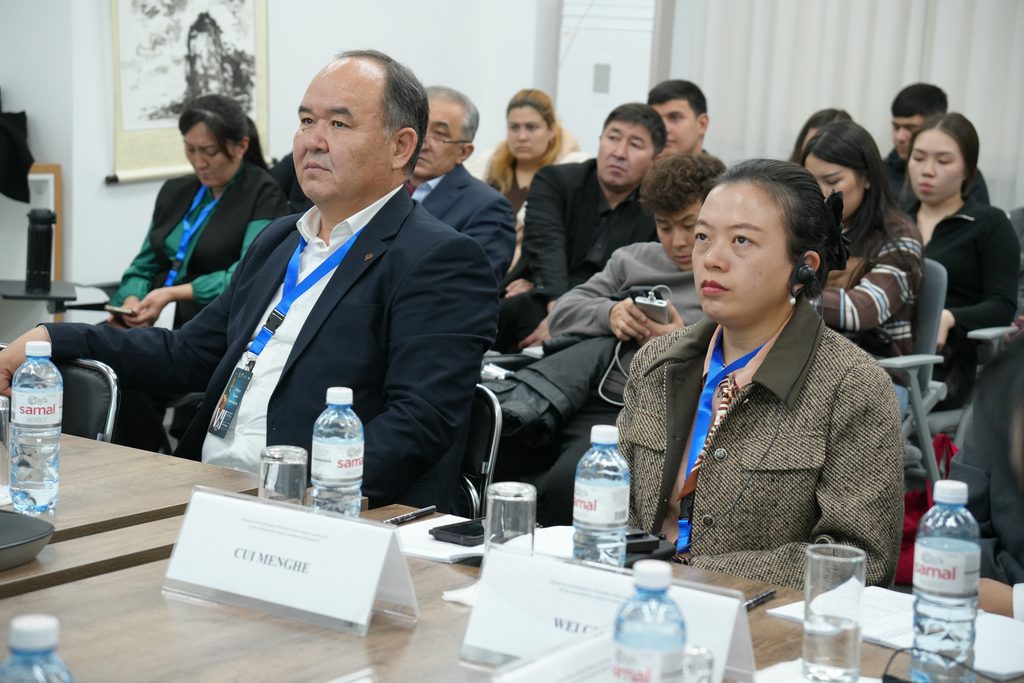
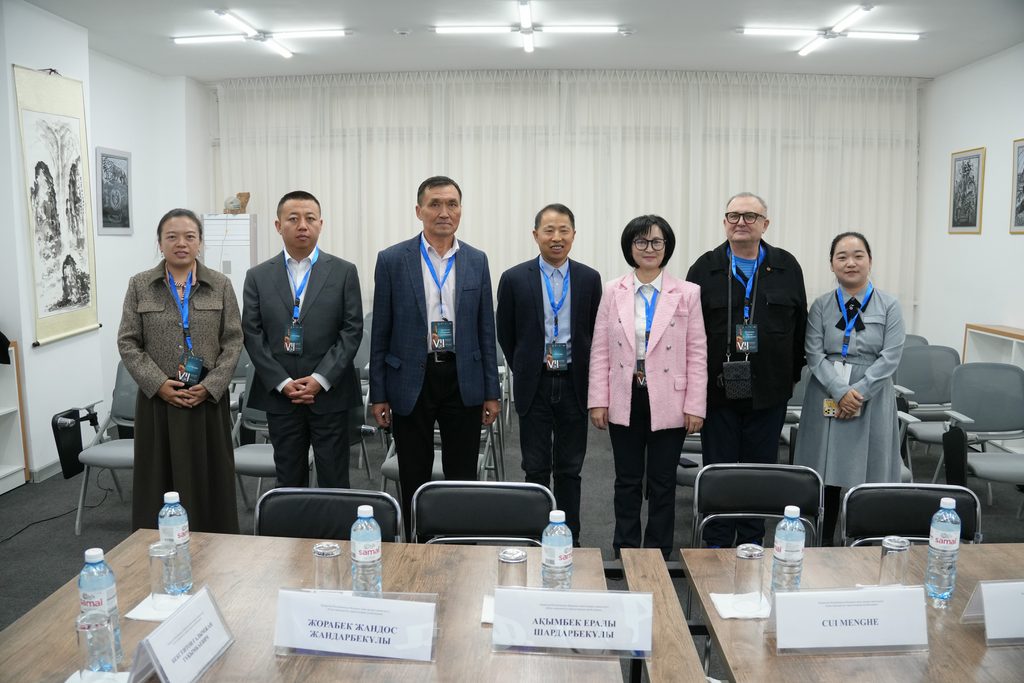
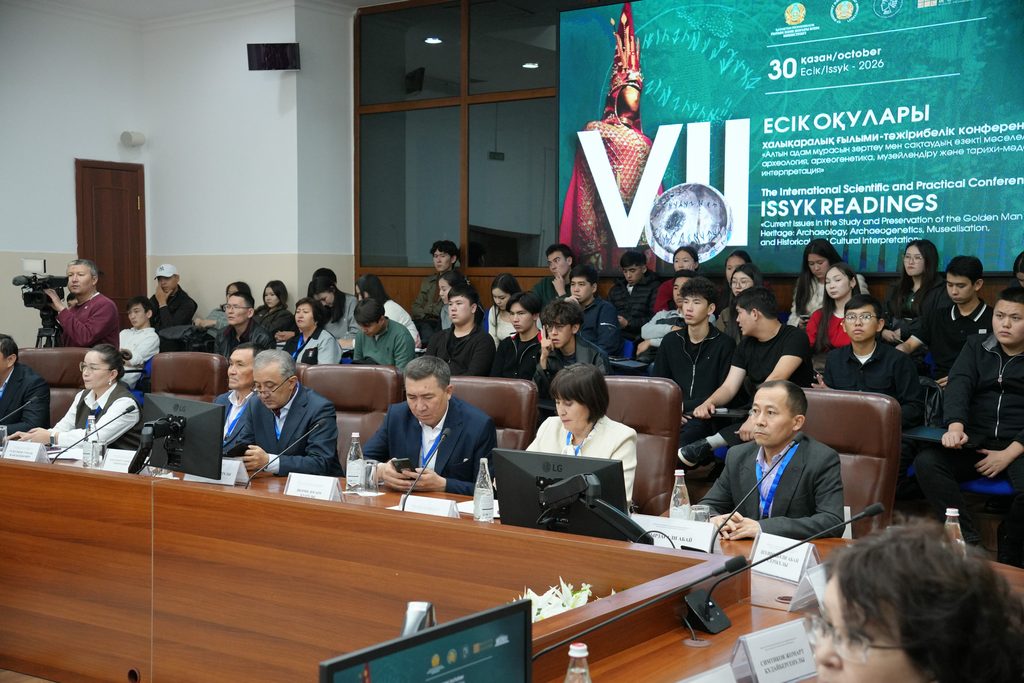
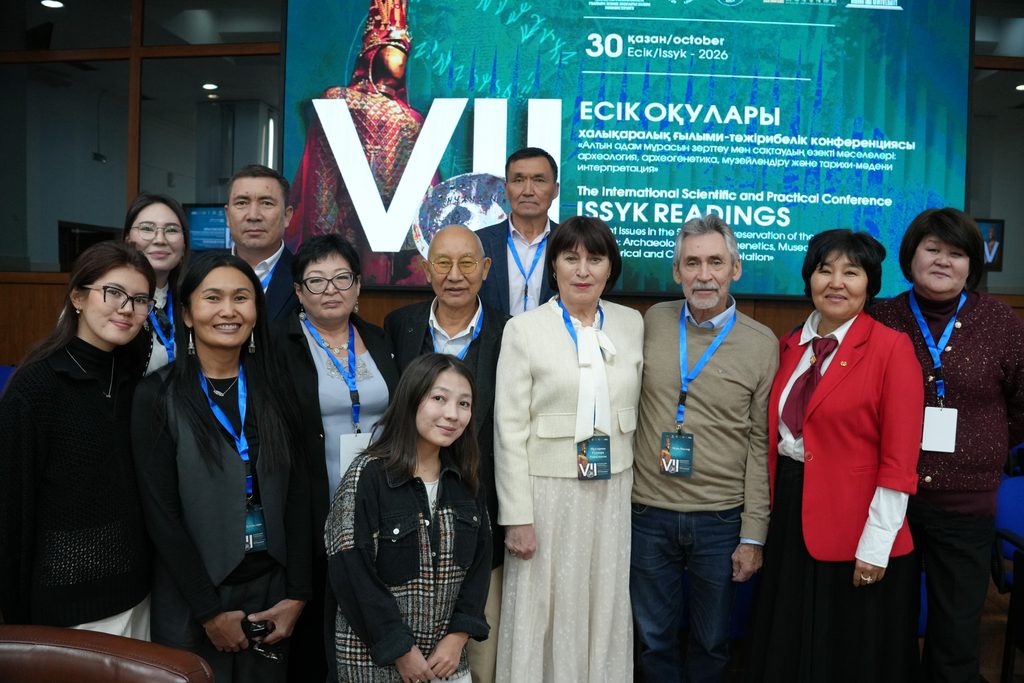
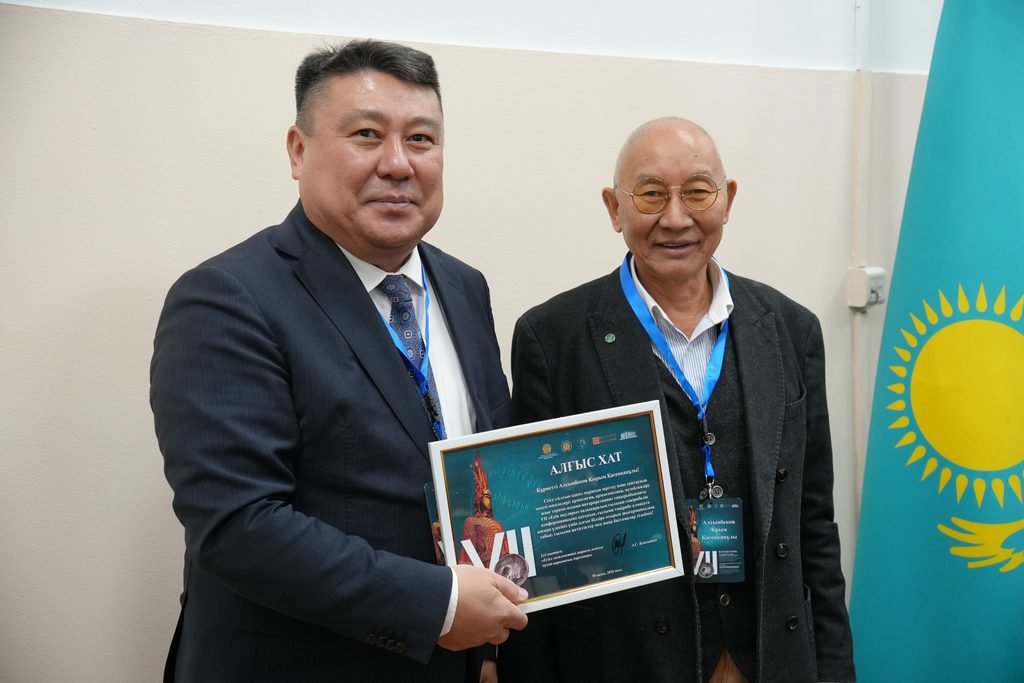
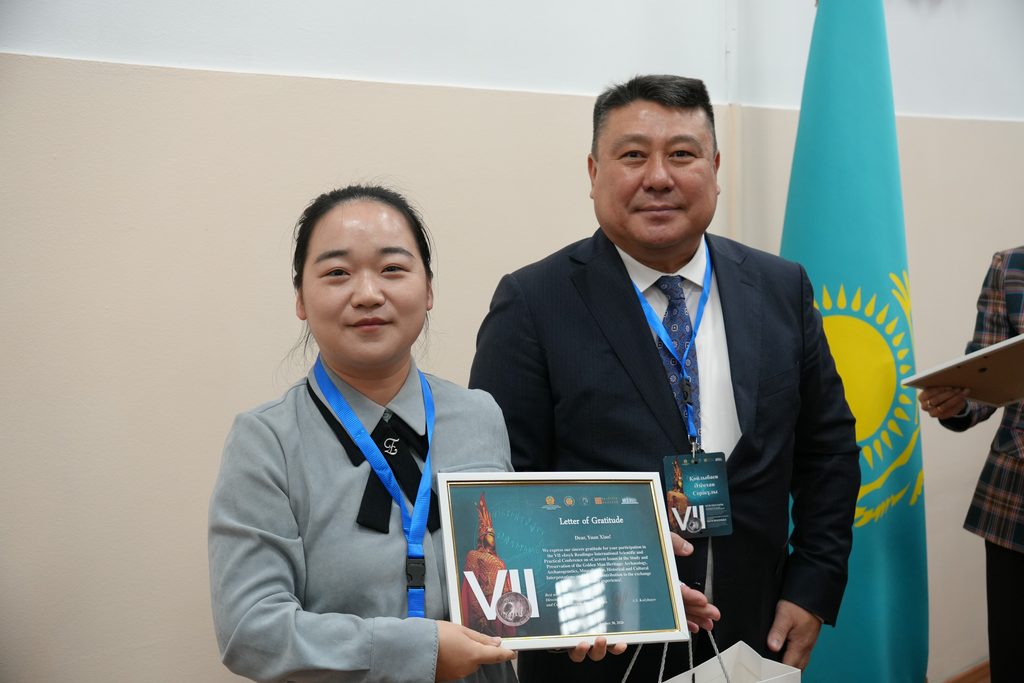
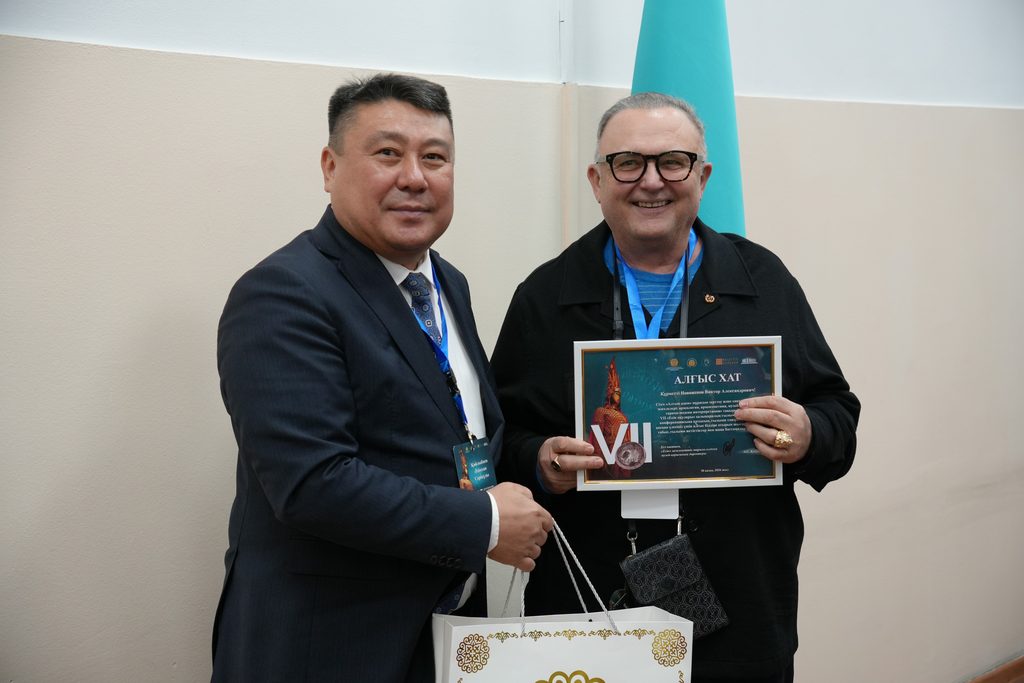
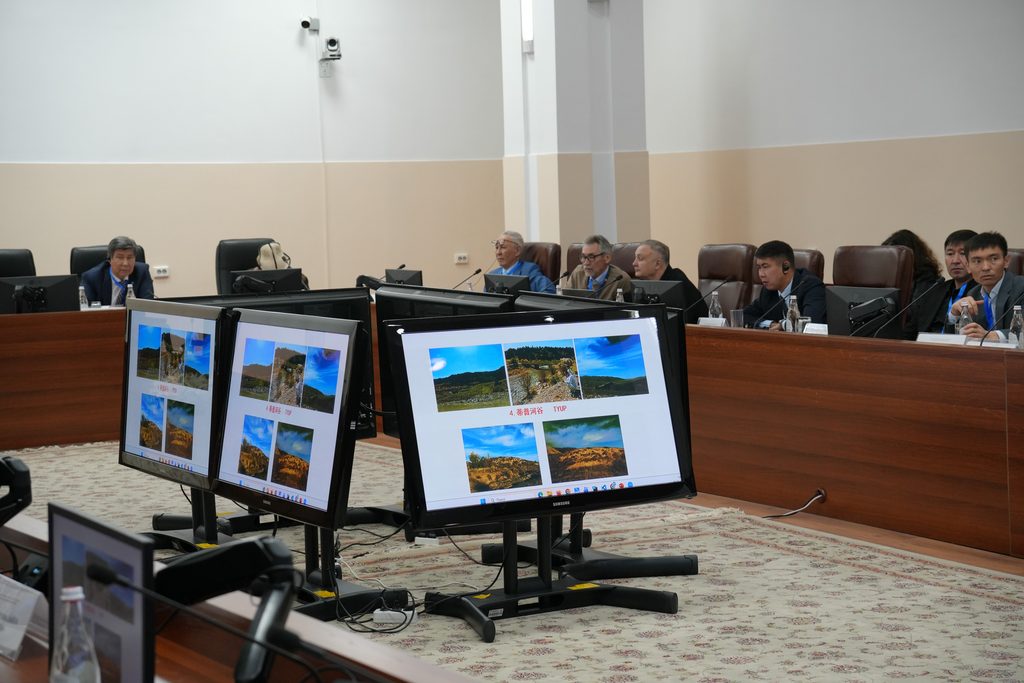
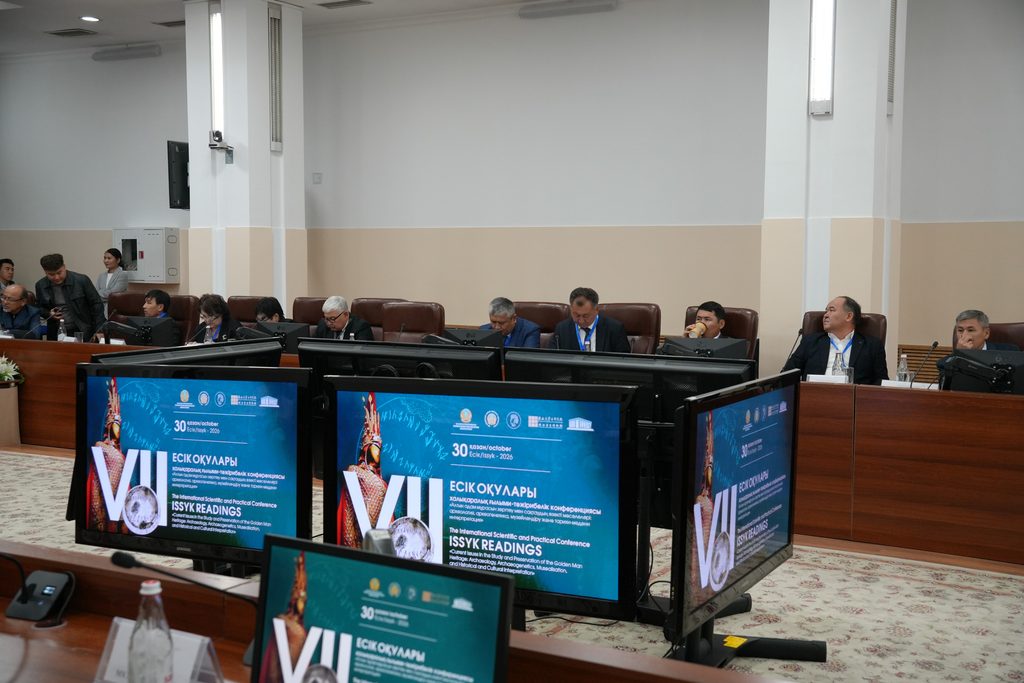
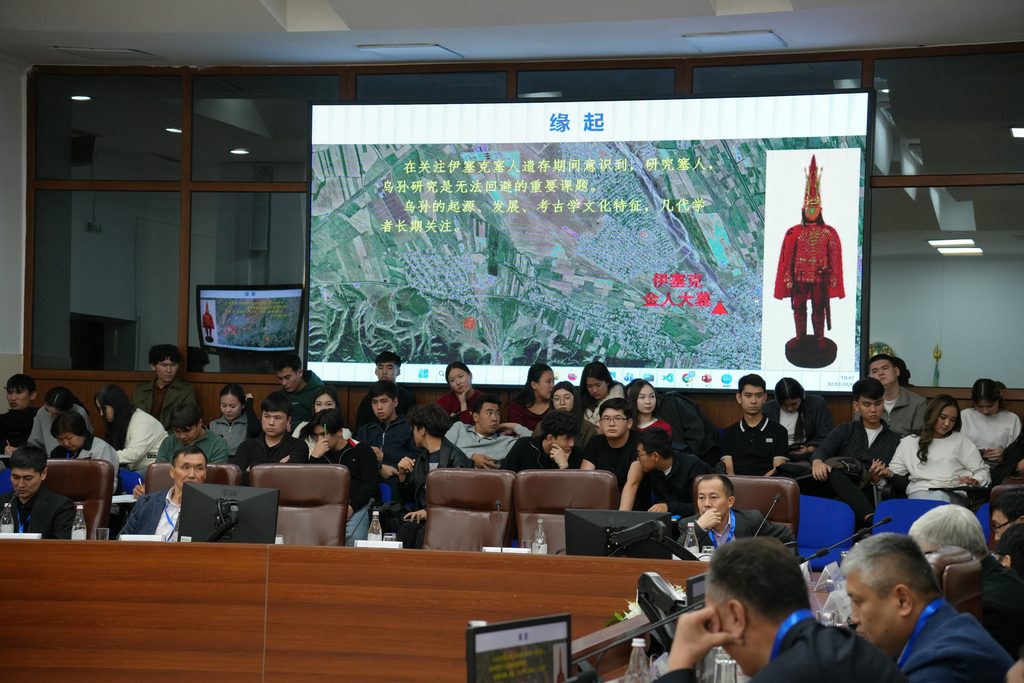
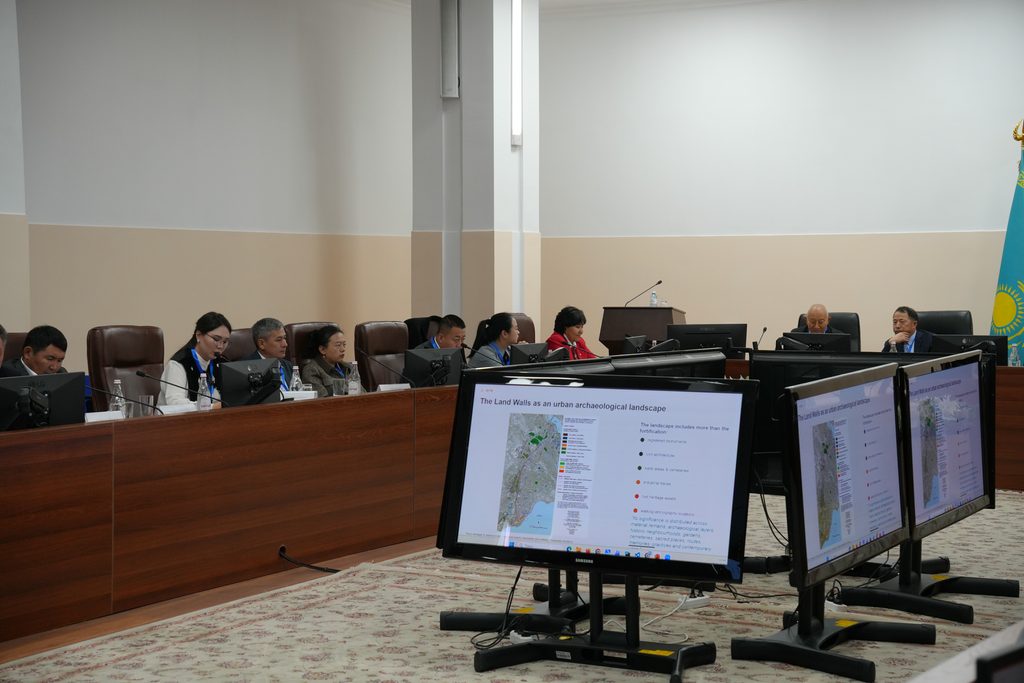
The remark emphasized that the study, preservation, and promotion of the rich historical and cultural heritage of the Great Steppe serve as a strategic foundation for strengthening national identity and reviving historical memory. Particular attention was paid to the significance of comprehensive research into the Golden Man phenomenon, the Issyk inscription, and nomadic culture, as well as to the results of joint work by specialists from both countries. The minister expressed confidence that the scientific initiatives and findings presented during the conference would contribute to the development of new mechanisms for the protection of historical and cultural heritage, and appreciated the organizers’ efforts and work.
Afterward, Zhakauov Maksat Donesovich, the Vice-rector for Social Development at the Abay Kazakh National Pedagogical University, read a greeting from the Chairman of the Board – University Rector Tilep B. Anapiyauly. In his remark, the rector emphasized the scientific and social significance of the meeting and highlighted the results of joint research conducted by the university and the «Esik» Museum-Reserve. He also expressed confidence that the dynamic development of archaeological science opens up new opportunities for research, including further study and the unraveling of the mysteries of the Issyk inscription.
«Our position is clear: archaeological heritage is not only a historical source to be studied, but also a scientific and educational space that shapes a new generation of researchers. Therefore, we are confident that our partnership with the «Esik» Museum-Reserve will be strengthened through joint expeditions, scientific projects, student internships, museum-educational programs, and international academic ties», the rector noted.
Scientists from Azerbaijan, Turkey, Uzbekistan, and Kazakhstan participated in the plenary session. They presented the results of their research on the origins and scientific significance of the Issyk inscription, ancient Turkic written monuments, and archaeological artifacts from the Saka era. The presentations demonstrated that issues related to the study of historical heritage, the scientific reconstruction of the Golden Man’s appearance, and its international promotion still require further research.
In particular, Azerbaijani scholar Firudin Jalilov focused on the linguistic affiliation of the Issyk inscription, on the other hand, Chinese researcher Ding Yan presented research findings on references to the Usuns in Chinese written sources. Bekzhan Orynbay, a scholar from Turkestan, presented scholarly perspectives on the historical and cartographic significance of the Issyk inscription. Renowned restorer Krym Altynbekov discussed the specifics of reconstructing the image of the Golden Man and its cultural influence on contemporary society. In the concluding plenary presentation, A. Mekteptegi examined the reasons behind the looting of the Saka burial mounds and issues related to the interpretation of the Issyk inscription.
During the breakout sessions, in addition to the Issyk inscription, participants discussed other ancient written monuments of Eurasia, their interconnections and continuity, the digitization of historical and cultural heritage, the integration of innovative technologies into museum activities, and the use of artificial intelligence. Participants also presented new achievements and findings from archaeological research, discussed the current state of historical heritage sites, and proposed approaches to their preservation.
Following the conference, the participants adopted a special resolution. The document notes that archaeological sites from the Saka era, including the Issyk Necropolis, are of great significance not only for the study of Kazakhstan’s ancient history but also for cultural processes across the entire Eurasian region. It emphasizes the need for a comprehensive analysis of archaeological data when studying the legacy of the Golden Man. It also notes that a comparative study of the Issyk inscription and other ancient written monuments will reveal the distinctive features of ancient written culture and the linguistic connections among the peoples of Central Asia and Eurasia.
The resolution also emphasizes that the preservation of archaeological sites and museum collections is impossible without systematic conservation, scientific restoration, documentation, and responsible museum management.
In the concluding section of the document, the participants emphasized the need to unite the efforts of the scientific community, museums, educational institutions, and international partners to study, preserve, and promote the archaeological heritage of the Great Steppe. They expressed their conviction that the implementation of the adopted recommendations will contribute to the development of archaeological science, the strengthening of international cooperation, and the adoption of modern methods for studying and preserving cultural heritage.